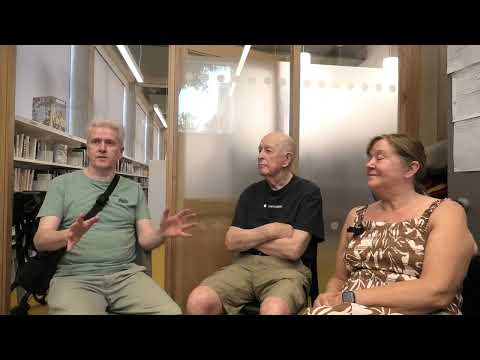
Developing neighbourhood working in Bexley
In Bexley the NHS and Bexley Council have been working closely together and with voluntary sector, community and social enterprise (VCSE) organisations to develop integrated neighbourhood health services. Bexley has developed three neighbourhoods, North Bexley, Clocktower (central) and Frognal (South). They were first established in 2023 as local care networks to address health inequalities at a neighbourhood level and now form the basis for developing integrated neighbourhood services.
Since early 2025, there have been three areas of focus for neighbourhoods:
Multiple Long-term Conditions
- Ageing Well and Tackling Frailty
- Children and Young People
The aim is to make care more connected, easier to access, and better coordinated so it responds not just to clinical needs, but to the full range of a person’s physical, mental, emotional and social needs.
You can read more about developing neighbourhoods in Bexley here.
Click on the links below to see a map of each neighbourhood and what GP surgeries, pharmacists, dentists and opticians are in each neighbourhood.
Engaging with stakeholders and residents
We held workshops with a range of stakeholders in February, March, June and October 2025 focusing on multiple long term conditions and Aging Well. We also went out and had conversation between the workshops with community champions, carers and peer groups and made sure the resident and stories were included in the workshops. we focused on multiple long term conditions and discussed the strengths of what works well and the challenges that we need to address. We heard about the day in the life of Louise, a resident who lives with 108 multiple long term conditions, and the challenges she has hat she hopes that an integrated neighbourhood service will address. We continued to develop and refine our model to support people to age well across the series of workshop. You can read the about the workshops in the presentations folder on the right.
You can also read about how the Live Well, Age well hub has been helping people here.

-
 Bexley multiple long term conditions workshop outputs - Feb 25 (557 KB) (pdf)
-
Ageing Well Resident feedback March 2025.pdf (385 KB) (pdf)
-
Bexley multiple long term conditions workshop outputs - March 25 (389 KB) (pdf)
-
Ageing well workshop outputs June 2025.pdf (785 KB) (pdf)
-
Ageing Well hub update October 2025.pdf (683 KB) (pdf)
-
Ageing Well Hub update June 2026.pdf (967 KB) (pdf)